I started playing at seven, hit a wall at 1500, and ground my way to 1700 still feeling lost at the board. What finally changed everything wasn't more knowledge — it was learning how to think. That's what I teach now.
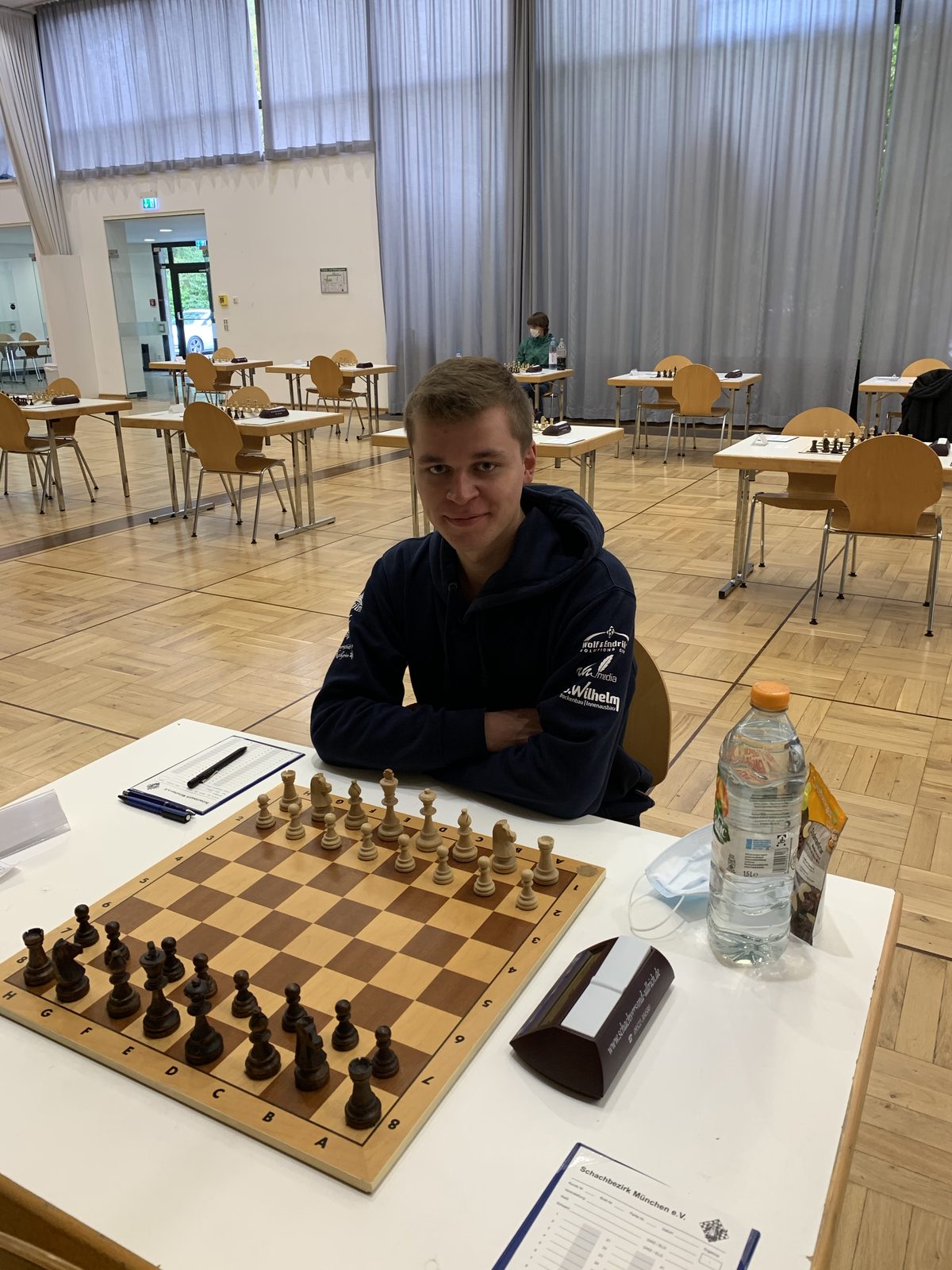
The path that shaped how I teach — plateaus, frustration, and the shift that finally made chess clear.
I joined a chess club young and spent years playing tournaments and league matches. Chess became a permanent part of my life.
For years, improvement came from playing. Tournaments gave constant feedback and my rating slowly rose. Progress felt natural.
Around 1500, progress stopped. I was still playing, but not improving. Games felt repetitive and study didn't translate into results.
I pushed to 1700, but the same problems remained — uncertainty, time trouble, and not understanding why positions went wrong.
Everything changed when I stopped collecting ideas and focused on calculation — slowing down, checking variations, trusting a process.
Chess didn't get easier, it got clearer. Calmer at the board, better with the clock, losses I could actually understand. That's what I pass on.
Whether you're starting out or breaking a plateau, there's a path built for you.
See coaching options →